.png)
Affordable Medical Tourism: Your Guide to India

Medical tourism has become a popular choice for individuals seeking high-quality healthcare at a fraction of the cost they would pay in their home countries. Among the top destinations for medical tourism, India stands out for its affordability, advanced medical facilities, and skilled healthcare professionals. This guide will explore the various aspects of medical tourism in India, including the types of treatments available, the costs involved, and tips for a successful medical trip.

Understanding Medical Tourism
Medical tourism refers to the practice of traveling to another country to receive medical care. This trend has gained momentum due to several factors:
Cost Savings: Many procedures in countries like India can be significantly cheaper than in Western nations.
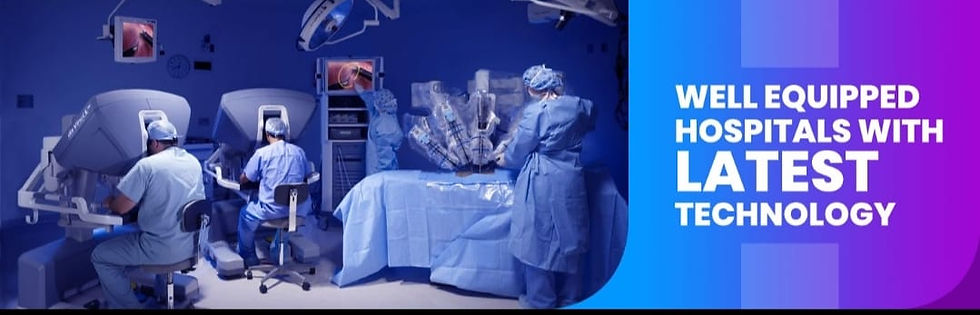
Quality of Care: Indian hospitals often meet international standards and are equipped with the latest technology.
Shorter Wait Times: Patients can often receive treatment much faster than in their home countries.
Why Choose India for Medical Tourism?
India has emerged as a leading destination for medical tourism due to its unique combination of affordability and quality. Here are some reasons why you should consider India for your medical needs:
1. Cost-Effective Treatments
The cost of medical procedures in India can be as much as 60-90% lower than in countries like the United States or the UK. For example:
Heart Bypass Surgery: Costs around $7,000 in India compared to $100,000 in the US.
Knee Replacement: Approximately $6,000 in India versus $40,000 in the US.
2. High-Quality Healthcare Facilities
India boasts numerous hospitals accredited by international bodies such as the Joint Commission International (JCI). These facilities offer:
State-of-the-art technology
Highly trained medical professionals
Comprehensive patient care
3. Skilled Medical Professionals
Indian doctors are often trained in Western countries and possess extensive experience in their fields. Many are fluent in English, making communication easier for international patients.
4. Wide Range of Treatments
India offers a vast array of medical services, including:
Cardiology: Bypass surgeries, angioplasties, and heart valve replacements.
Orthopedics: Joint replacements and spinal surgeries.
Cosmetic Surgery: Procedures like liposuction, rhinoplasty, and breast augmentation.
Dental Care: Implants, crowns, and orthodontics.
Planning Your Medical Trip to India
Planning a medical trip requires careful consideration and preparation. Here are some steps to help you navigate the process:
1. Research Hospitals and Doctors
Start by researching hospitals and doctors in India. Look for:
Accreditation status
Patient reviews and testimonials
Success rates for specific procedures
2. Understand the Costs
While treatments in India are generally affordable, it’s essential to understand the total costs involved, including:
Medical Fees: Cost of the procedure itself.
Travel Expenses: Flights, visas, and local transportation.
Accommodation: Hotels or guesthouses near the hospital.
Post-Operative Care: Follow-up visits and medications.
3. Consult with Medical Tourism Facilitators
Consider working with a medical tourism facilitator who can assist with:
Finding the right hospital and doctor
Arranging travel and accommodation
Providing local support during your stay
4. Prepare for Your Trip
Before traveling, ensure you have:
A valid passport and visa
Medical records and test results
Travel insurance that covers medical procedures
What to Expect During Your Stay
Once you arrive in India for your medical treatment, here’s what you can expect:
1. Pre-Operative Assessments
Before your procedure, you will undergo a series of assessments, including:
Physical examinations
Diagnostic tests (blood tests, imaging)
Consultations with your surgeon
2. The Procedure
On the day of your procedure, you will be admitted to the hospital. The process typically includes:
Pre-operative preparations
Anesthesia administration
The surgical procedure itself
3. Post-Operative Care
After your surgery, you will receive post-operative care, which may involve:
Monitoring in the recovery room
Pain management
Instructions for follow-up care
Recovery and Follow-Up
Recovery times vary depending on the procedure. Here are some general guidelines:
Minor Procedures: May require a few days of recovery.
Major Surgeries: Could take several weeks for full recovery.
Follow-up appointments are crucial to monitor your progress. Many hospitals offer telemedicine options for international patients, allowing you to consult with your doctor remotely.
Tips for a Successful Medical Trip
To ensure a smooth medical journey, consider these tips:
1. Stay Informed
Educate yourself about the procedure you will undergo. Understanding the risks and benefits will help you make informed decisions.
2. Maintain Open Communication
Keep in touch with your medical team throughout your stay. Don’t hesitate to ask questions or express concerns.
3. Embrace the Experience
While the primary purpose of your trip is medical, take some time to explore India. The country is rich in culture, history, and cuisine.
4. Plan for Recovery Time
Allow yourself adequate time to recover before traveling back home. This will ensure you are fit for your journey and can handle any post-operative care needed.
Conclusion
India offers a compelling option for those considering medical tourism. With its combination of affordable healthcare, high-quality facilities, and skilled professionals, it is no wonder that many people are choosing India for their medical needs. By planning carefully and staying informed, you can have a successful medical journey that not only addresses your health concerns but also allows you to experience the rich culture of this incredible country.
Take the first step towards your health today by exploring the possibilities that medical tourism in India has to offer.


Comments