.png)
Navigating Medical Treatment Options in India

India has emerged as a global hub for medical tourism, attracting patients from around the world seeking high-quality healthcare at affordable prices. With a diverse range of treatment options, advanced medical technology, and highly skilled professionals, navigating the medical landscape in India can be both exciting and overwhelming. This blog post aims to guide you through the various medical treatment options available in India, helping you make informed decisions about your healthcare journey.

Understanding the Indian Healthcare System
The Indian healthcare system is a mix of public and private sectors, offering a wide array of services. Here’s a brief overview:
Public Healthcare
Government Hospitals: These facilities provide free or low-cost services, primarily catering to low-income populations. However, they may suffer from overcrowding and limited resources.
Primary Health Centers (PHCs): Located in rural areas, PHCs focus on basic healthcare services, maternal and child health, and disease prevention.
Private Healthcare
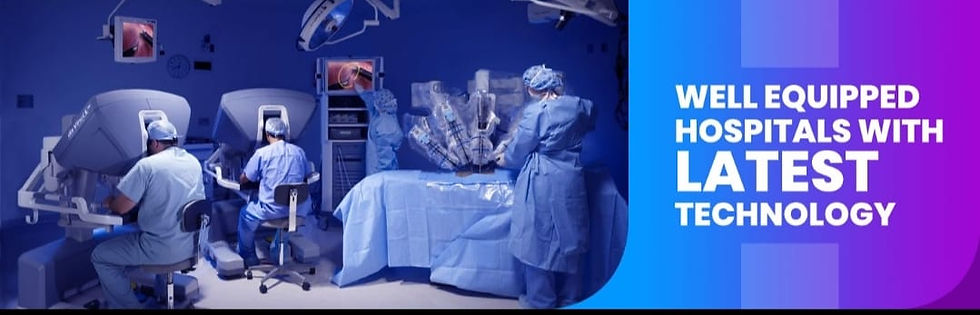
Private Hospitals: Known for better infrastructure and shorter waiting times, private hospitals offer a range of services, from routine check-ups to complex surgeries. They often employ the latest technology and have well-trained staff.
Specialty Clinics: These clinics focus on specific areas of medicine, such as cardiology, orthopedics, or oncology, providing specialized care.
Health Insurance
Health insurance in India is becoming increasingly popular, with various plans available to cover medical expenses. It is advisable to check if your insurance covers treatments in India, as this can significantly reduce out-of-pocket costs.
Popular Medical Treatments in India
India offers a wide range of medical treatments, from traditional practices to cutting-edge procedures. Here are some of the most sought-after options:
1. Cardiac Care
India is renowned for its advanced cardiac care, including:
Coronary Artery Bypass Grafting (CABG): A common procedure for patients with severe coronary artery disease.
Angioplasty: A minimally invasive procedure to open blocked arteries.
2. Orthopedic Surgery
With a growing elderly population, orthopedic surgeries are in high demand. Treatments include:
Joint Replacement: Hip and knee replacements are common procedures that can significantly improve quality of life.
Spine Surgery: Advanced techniques are available for treating spinal disorders.
3. Cancer Treatment
India has made significant strides in cancer treatment, offering:
Chemotherapy and Radiation Therapy: Available in many hospitals with specialized oncology departments.
Stem Cell Transplantation: A cutting-edge treatment for various types of cancer.
4. Cosmetic Surgery
The cosmetic surgery industry in India is booming, with procedures such as:
Rhinoplasty: Nose reshaping surgery.
Liposuction: A popular procedure for body contouring.
5. Fertility Treatments
India is a leading destination for fertility treatments, including:
In Vitro Fertilization (IVF): Many clinics offer affordable and successful IVF treatments.
Surrogacy: India has become a hub for international surrogacy, with legal frameworks in place.
Choosing the Right Hospital
Selecting the right hospital is crucial for a successful treatment experience. Here are some factors to consider:
Accreditation
Ensure that the hospital is accredited by recognized bodies such as the National Accreditation Board for Hospitals & Healthcare Providers (NABH) or the Joint Commission International (JCI). Accreditation ensures that the facility meets international standards of care.
Doctor Qualifications
Research the qualifications and experience of the doctors. Look for specialists with relevant certifications and a track record of successful treatments.
Patient Reviews
Reading patient reviews can provide insights into the quality of care and patient satisfaction. Websites and forums dedicated to medical tourism can be valuable resources.
Facilities and Technology
Check if the hospital is equipped with modern technology and facilities. Advanced diagnostic tools and treatment options can significantly impact the outcome of your treatment.
Understanding Costs
One of the main attractions of seeking medical treatment in India is the cost-effectiveness. Here’s a breakdown of typical expenses:
Treatment Costs
Cardiac Surgery: Approximately $5,000 to $10,000.
Joint Replacement: Ranges from $7,000 to $15,000.
IVF Treatment: Costs around $3,000 to $5,000 per cycle.
Additional Expenses
Accommodation: Depending on the city, hotel prices can range from $20 to $200 per night.
Travel: Factor in airfare and local transportation costs.
Health Insurance
If you have health insurance, check the coverage details. Some policies may cover international treatments, significantly reducing your expenses.
Preparing for Your Medical Journey
Preparation is key to a smooth medical journey in India. Here are some steps to follow:
Research and Plan
Identify Your Needs: Determine the type of treatment you require and research hospitals that specialize in that area.
Consultation: Schedule a consultation with your chosen hospital to discuss your condition and treatment options.
Documentation
Medical Records: Gather all relevant medical records, including test results and previous treatments.
Visa Requirements: Check the visa requirements for medical tourists in India and apply in advance.
Travel Arrangements
Flights: Book your flights early to secure the best rates.
Accommodation: Consider staying in a hotel or guesthouse near the hospital for convenience.
Post-Treatment Care
After your treatment, follow-up care is essential for recovery. Here are some tips:
Follow-Up Appointments
Schedule follow-up appointments with your doctor to monitor your recovery and address any concerns.
Medication Management
Ensure you understand your medication regimen and any potential side effects. Keep a list of medications and dosages for reference.
Lifestyle Adjustments
Depending on your treatment, you may need to make lifestyle changes. This could include dietary adjustments, physical therapy, or exercise routines.
Conclusion
Navigating medical treatment options in India can be a rewarding experience, offering access to high-quality healthcare at competitive prices. By understanding the healthcare system, exploring various treatment options, and preparing adequately, you can embark on your medical journey with confidence. Remember to conduct thorough research, consult with professionals, and prioritize your health and well-being throughout the process. Your health is your most valuable asset, and taking the right steps can lead to a successful recovery and improved quality of life.


Comments